You will find a bunch of references by google searching or asking AI assistants "what is reflection" or "how to reflect for personal growth". To keep things simple, we suggest:
- Put all digital devices away for 15 minutes each day
- Write down your answers to the following (old-school pen and paper work best):
1. What did I learn today?
2. How did I learn it?
3. What worked well?
4. What could I do differently? - The key? Reflect regularly
Keep a record of your answers. Revisit them once a week / month. Spot patterns for deeper reflection or tailor your prompting questions according to specific experience (e.g., service learning, career preparation, personal growth)


A very common pitfall when reflecting is sliding into rumination - spending too much time replaying the event and trying to find the “perfect” explanation. Instead of this, focus turning insights into one practical next step.
Signs you're ruminating:
- You keep re-reading the same moments in your head
- You feel worse afterward (more flexible / shame), not clearer
- You can't decide on any change you'll actually make
- Reflection turns into self-attack ("I'm just ...", "I always ...")
A quick fix:
- End the reflection with: "What's one lesson?" + "What's one next step I can do within a week?"
• UK: Cambridge, Falmouth, Exeter, Cardiff
• Australia: UNSW, Monash
• US: UCSF - Career Focused
• Positive Pyschology - Introspection, Self Awareness
• The Power of Reflection: How thinking improves learning & performance
• This is how you learn to reflect well
• What Are Examples Of Student Self-Reflection Activities?
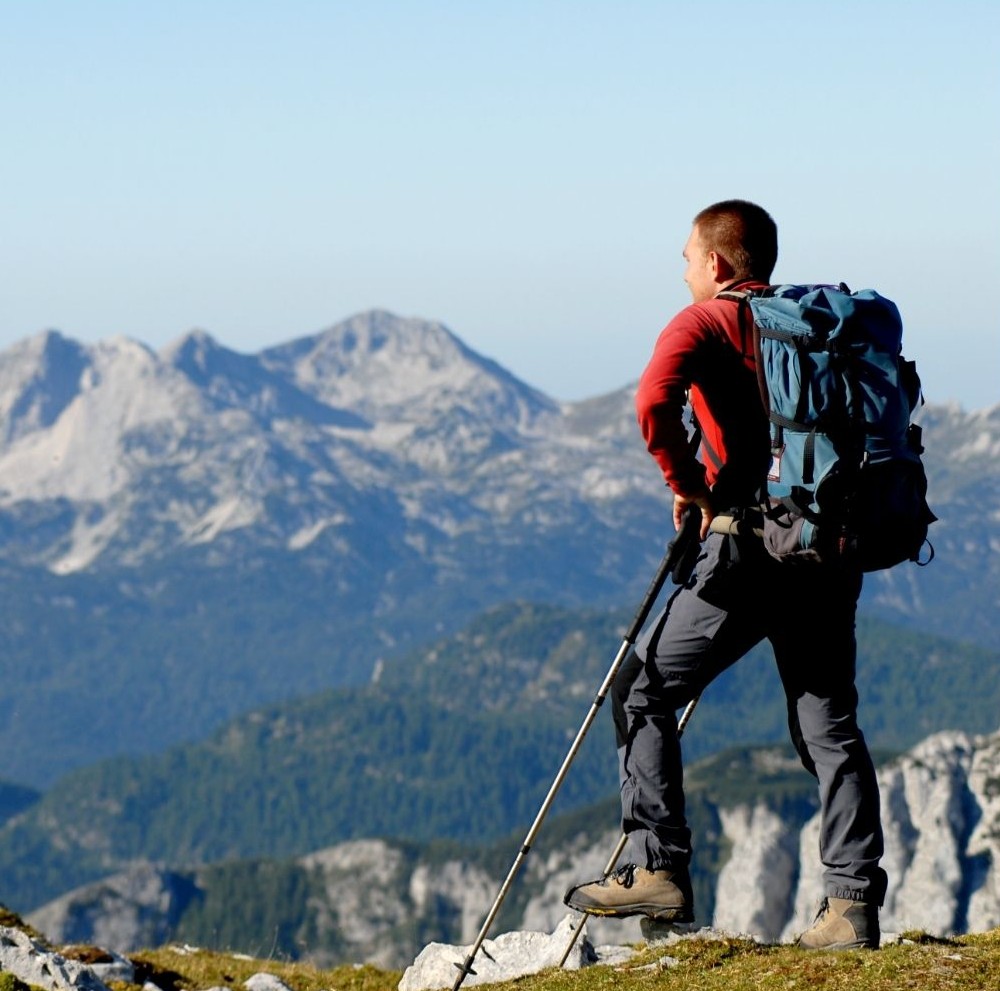
Γνῶθι σεαυτόν (Gnōthi seauton / Know Thyself)
知人者智,自知者明。勝人者有力,自勝者強。
Knowing others is intelligence; knowing yourself is true wisdom. Mastering others is strength; mastering yourself is true power.
Your vision will become clear only when you look into your heart. Who looks outside, dreams; who looks inside, awakens.